





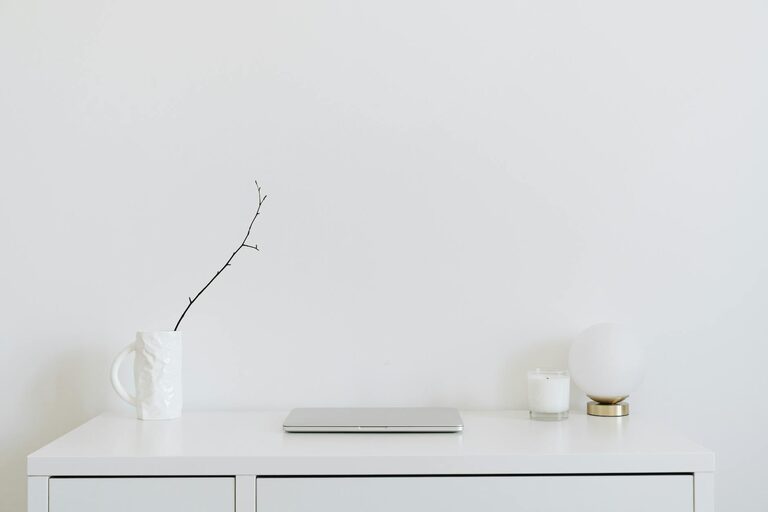
Creating a home workspace that is both relaxing and productive can be a game-changer for your daily routine. Whether you’re working remotely, studying, or managing household projects, having a dedicated area that promotes focus and calm boosts your efficiency and wellbeing. Here are some practical tips to transform your home workspace into a balanced and inviting environment.
Choose the Right Location
Finding the best spot for your workspace is the first step. Ideally, select a quiet area with minimal distractions. If possible, use a separate room to physically define your workspace, helping your brain associate that area with work mode.
Consider Natural Light
Natural light improves mood and reduces eye strain. Position your desk near a window to take advantage of daylight. If natural light is limited, invest in good-quality LED lighting that mimics daylight.
Minimise Noise
Noise can be distracting. Use noise-cancelling headphones or a white noise machine to drown out interruptions. Soft furnishings like rugs and curtains can also help absorb sound.
Invest in Comfort
Comfort is key for long periods spent at your desk. Focus on ergonomics and personal comfort to avoid fatigue and discomfort.
Ergonomic Chair and Desk
Choose a chair that supports your lower back and allows your feet to rest flat on the floor. Your desk height should enable your forearms to rest comfortably while typing.
Proper Screen Positioning
Position your screen at eye level and about an arm’s length away to reduce neck strain and prevent headaches.
Organise Your Desk
A tidy workspace promotes a clear mind. Use organisers, trays, or drawers to keep essential items within reach and avoid clutter.
Create a Relaxing Ambience
A calming workspace can reduce stress and help you maintain focus.
Use Soothing Colours
Soft, neutral colours such as blues, greens, or beige create a tranquil atmosphere. Avoid overly bright or distracting colours on the walls or décor.
Add Plants
Indoor plants improve air quality and contribute to a relaxing environment. Choose low-maintenance plants like succulents or spider plants if you don’t have a green thumb.
Personal Touches
Incorporate a few personal items, such as photos or artwork, to make the space welcoming without overcrowding.
Promote Organisation and Efficiency
An organised workspace makes it easier to focus and manage tasks effectively.
Use a Planner or Digital Tools
Keep a planner or calendar nearby to track deadlines and appointments. Digital tools such as task managers and reminders can also help you stay on top of work.
Cable Management
Use clips or sleeves to organise cables and keep them out of sight. This not only improves aesthetics but reduces stress caused by tangled cords.
Storage Solutions
Shelves, filing cabinets, and boxes can keep documents and supplies organised and accessible. Label storage clearly to save time when searching for items.
Establish Boundaries and Routine
Defining clear work-life boundaries is important for home working success.
Set Working Hours
Stick to a consistent schedule, starting and finishing work at set times. This helps separate work from personal time.
Take Regular Breaks
Incorporate short breaks to stretch, rest your eyes, and recharge. Consider techniques like the Pomodoro method (25 minutes focused work, 5-minute breaks) to maintain productivity.
Avoid Multitasking
Try to focus on one task at a time during work hours. Multitasking can reduce efficiency and increase stress.
Minimise Digital Distractions
Technology can both help and hinder focus.
Manage Notifications
Turn off non-essential notifications on your phone and computer during work periods to reduce interruptions.
Use Focus Apps
Apps that block distracting websites or track time spent on tasks can help maintain concentration.
Keep Devices Charged and Ready
Organise chargers and accessories so your devices are always ready to use without hassle.
Maintain Your Workspace
Regular cleaning and upkeep are essential to keep your workspace welcoming and functional.
Daily Tidying
Spend a few minutes at the end of each workday tidying your desk to start fresh tomorrow.
Routine Deep Cleaning
Schedule weekly cleaning to dust surfaces, vacuum floors, and wipe down your equipment.
Refresh When Needed
Periodically reassess your workspace layout and items to ensure it still meets your needs.
—
Creating a home workspace that blends relaxation and productivity might take some time and experimentation. By focusing on location, comfort, organisation, and routine, you can design an environment that supports your best work and wellbeing throughout the day. Remember, your workspace should adapt to you — don’t hesitate to adjust it as your needs change.