





Creating a relaxing home office environment is essential for maintaining productivity and reducing stress, especially when working from home. A well-designed workspace not only keeps you motivated but also allows you to focus better and enjoy your workday. Whether you have a dedicated room or just a small corner, these tips will help you transform your space into a peaceful, efficient home office.
Choose the Right Location
Selecting the ideal location for your home office is the first step towards creating a relaxing environment.
– Natural Light: Position your desk near a window to take advantage of natural light. This reduces eye strain and improves mood.
– Low Traffic Area: Pick a spot away from high-traffic or noisy areas to minimise distractions.
– Space Considerations: Ensure there’s enough room for your desk, chair, and any equipment or storage you need without feeling cramped.
Invest in Comfortable Furniture
Ergonomics play a significant role in how comfortable and relaxed you feel while working.
– Supportive Chair: Choose an adjustable chair that supports your lower back and encourages good posture.
– Appropriate Desk Height: Your desk should allow your arms to rest comfortably while typing, typically with elbows at a 90-degree angle.
– Footrest: Consider a footrest if your feet don’t comfortably reach the floor to reduce strain.
Organise Your Workspace
A clutter-free environment creates a calm mind. Keeping your home office tidy will help you stay focused.
– Declutter Regularly: Remove unnecessary items and keep only what you need on your desk.
– Storage Solutions: Use shelves, filing cabinets, or desk organisers to keep documents and supplies neatly stored.
– Cable Management: Keep wires organised and out of sight using clips or cable sleeves to reduce visual distraction.
Personalise with Calming Elements
Adding personal touches can make your workspace feel welcoming and less stressful.
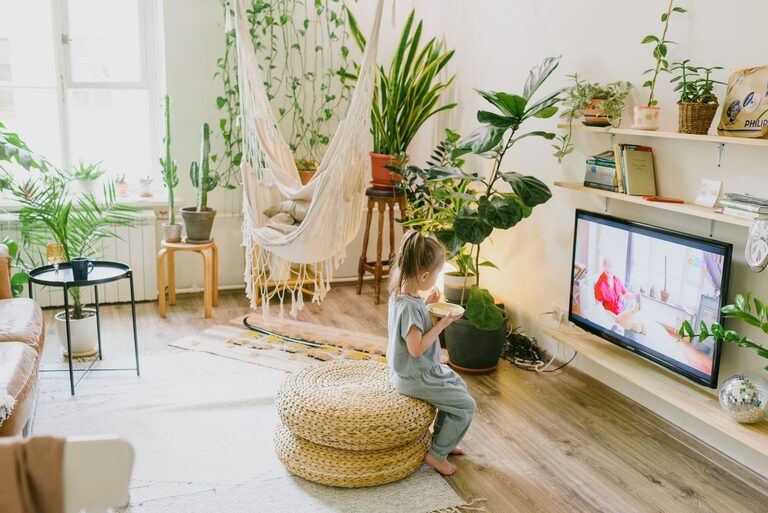
– Plants: Incorporate some greenery. Plants improve air quality and bring a sense of calm.
– Colours: Choose soothing colours like soft blues, greens, or neutrals for your walls or accessories.
– Artwork: Select calming art or photographs that inspire and relax you.
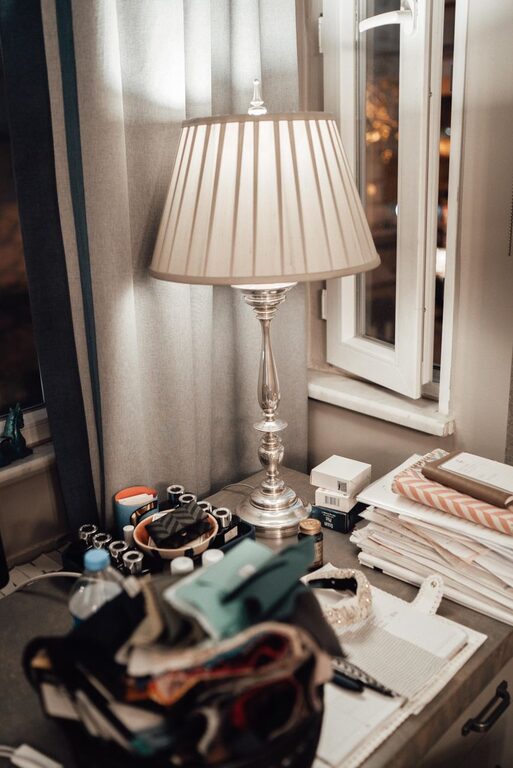
– Lighting: Use adjustable lighting options such as desk lamps with warm light to create a cosy atmosphere.
Set Boundaries and Routine
Maintaining a routine and clear boundaries helps separate work from relaxation.
– Designated Work Hours: Set specific start and finish times to avoid overworking.
– Breaks: Take regular breaks to stretch, walk around, or practice mindfulness to refresh your mind.
– Work Zone: Use your home office area strictly for work to associate the space with productivity and focus.
Optimise Technology Setup
A smooth-running tech setup reduces frustrations.
– Reliable Equipment: Invest in a good-quality computer, keyboard, mouse, and other peripherals.
– Fast Internet: Ensure your internet connection supports your work requirements.
– Noise-Cancelling Headphones: These can help block out background noise and increase concentration.
Incorporate Relaxation Techniques
Use simple techniques to help you maintain relaxation throughout the day.
– Aromatherapy: Use essential oils or scented candles with calming fragrances like lavender or eucalyptus.
– Music or White Noise: Play gentle background music or white noise to drown out distractions.
– Mindfulness: Take a few minutes daily to practice breathing exercises or meditation in your office space.
Maintain Clean Air and Temperature
Comfort extends to air quality and temperature control.
– Ventilation: Keep the room well-ventilated by opening windows regularly.
– Air Purifiers: Consider using an air purifier if air quality is poor.
– Heating and Cooling: Adjust temperature to a comfortable level to avoid discomfort or fatigue.
Final Thoughts
Creating a relaxing home office environment doesn’t require a large budget or a complete overhaul. By focusing on comfort, organisation, personal touches, and healthy work habits, you can enjoy a space that promotes calm and productivity. Experiment with these tips and adjust based on what works best for you. A pleasant workspace will not only improve your work experience but also contribute positively to your overall wellbeing.