





Creating a cosy and inviting home office is more important than ever as many people spend significant hours working from home. A well-designed space not only boosts productivity but also ensures you feel comfortable and relaxed throughout the day. Whether you have a dedicated room or a small nook, these tips will help you transform your work area into a haven of focus and warmth.
Choose the Right Location
The first step is finding a good spot for your home office. Ideally, it should be quiet and free from distractions. If possible, pick a room with plenty of natural light, as this can brighten your mood and reduce eye strain. If you don’t have a separate room, use a corner of your living room or bedroom that’s away from busy areas.
Prioritise Comfort with Furniture
Comfortable furniture is key for long hours of work.
– Ergonomic Chair: Invest in a chair that supports your back and promotes good posture. You don’t need an expensive model, but look for adjustable features.
– Desk: Choose a desk size that fits your needs and space. A surface that’s too cluttered can feel overwhelming; aim for simplicity.
– Footrest and Accessories: Consider a footrest or wrist supports if you spend a lot of time typing to minimise strain.
Ensure your setup aligns with ergonomic principles – your screen should be at eye level and keyboard within easy reach.
Layer Your Lighting
Good lighting can change the feel of your workspace dramatically.
– Natural Light: Position your desk near a window if possible.
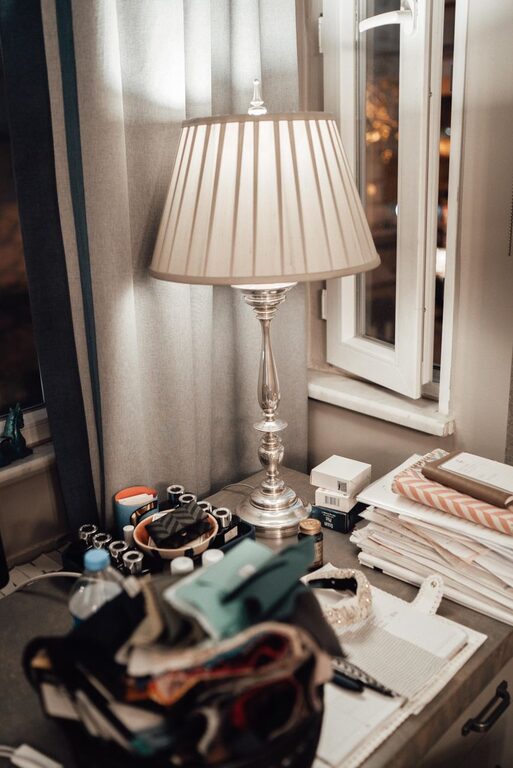
– Task Lighting: Use a desk lamp to illuminate your work surface clearly without glare.
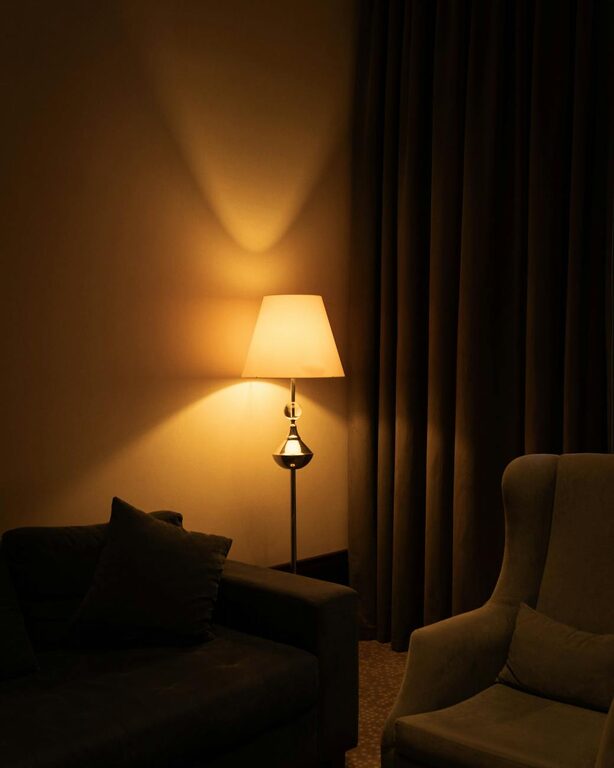
– Ambient Lighting: Add warm-toned lamps or fairy lights to create a soft, inviting atmosphere as daylight fades.
Avoid harsh, overhead fluorescent lights which can be tiring on the eyes.
Incorporate Personal Touches
Adding elements that reflect your personality can make your home office feel welcoming.
– Artwork or Prints: Hang pictures or posters that inspire you.
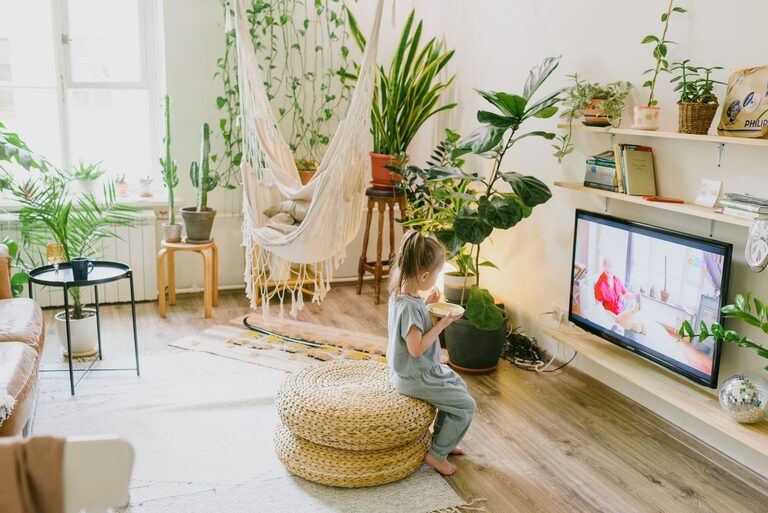
– Plants: Greenery brings life and freshness to any room and can improve air quality.
– Decorative Items: Small ornaments, scented candles, or a colourful rug can add warmth.
Keep the balance right – avoid over-cluttering so the space remains functional.
Organise Wisely
Organisation is essential to maintain a productive and inviting workspace.
– Storage Options: Use shelves, filing cabinets, or boxes to keep documents and supplies tidy.
– Desk Organisers: Pen holders, trays, and cable management tools reduce mess on your desk surface.
– Declutter Regularly: Take a few minutes daily or weekly to tidy up and prevent accumulation of unnecessary items.
A clean, orderly space reduces stress and keeps your mind focused.
Choose Soothing Colour Schemes
Colour affects mood and energy – choose tones that help you concentrate but also feel at ease.
– Neutral Colours: Soft creams, beiges, and greys create a calm backdrop.
– Accent Colours: Gentle blues, greens, or pastels can add interest without distraction.
– Avoid Overly Bright Shades: Bright reds, yellows, and oranges may be too stimulating for long-term focus.
Paint the walls or use accessories like cushions and curtains to introduce your colour scheme.
Use Textiles to Add Comfort
Adding layers through textiles gives a sense of cosiness.
– Rugs: A soft rug underfoot warms up the space, especially with hard floors.
– Cushions and Throws: These add comfort to your chair and can be changed seasonally.
– Curtains or Blinds: These provide privacy and soften the room acoustically.
Choose fabrics that are easy to clean and maintain.
Maintain Good Air Quality
A fresh environment helps you stay alert and feel better.
– Ventilation: Open windows regularly to refresh the air.
– Air Purifying Plants: Some plants, like spider plants or peace lilies, help cleanse indoor air naturally.
– Humidifier: If air is dry, especially in winter, a humidifier can improve comfort.
Create Zones if Space Allows
If your space permits, you can divide areas for different tasks.
– Work Zone: For desk-based activities.
– Reading or Relaxation Corner: A comfy chair or small sofa to take breaks.
– Storage Zone: Shelves or cupboards for supplies.
Zoning helps keep your day structured and prevents feeling overwhelmed.
Set Up Technology Thoughtfully
Your technology setup should be efficient but unobtrusive.
– Cable Management: Use clips or sleeves to avoid tangles and clutter.
– Screen Positioning: Angle monitors to reduce glare and neck strain.
– Sound: Consider noise-cancelling headphones if your home is noisy, or add a small speaker for calming background music.
Invest in reliable technology to prevent frustration and downtime.
—
Final Thoughts
A cosy and inviting home office isn’t just about looks—it’s about creating a space where you feel good and can work well. By thinking about light, comfort, organisation, and personal touches, you can set up a workspace that helps you stay motivated and makes your work-from-home days more pleasant.
Remember, your home office reflects your style and needs, so take time to adjust and personalise it until it feels just right. A little effort can go a long way to making work a more enjoyable part of your home life.